



How do Birds React to a Solar Eclipse?
by Harry Nehls
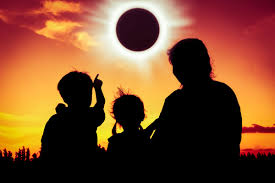
On August 21 a total eclipse of the sun will pass eastward over the central sections of Oregon. This event has generated considerable interest among humans. But what effect will the eclipse have on local wildlife? On February 26, 1979, a total eclipse passed directly over Portland, allowing many to experience the phenomenon and observe the effects on wildlife. An article published in the May 1979 issue of the Audubon Warbler described some of the effects observed: “The morning of February 26 came up rather dull and dreary in the northern section of Oregon and southern Washington, but it didn’t dampen the excitement as everyone awaited the big event of the season—a full eclipse of the sun! Presumably only humans anticipated its coming so there was considerable interest on how other forms of life would react. Special watches were set up to observe the reactions of various birds and mammals as the light faded and record what effect it would have on their behavior. For the most part animal life reacted with a little apprehension and some interest. Some species show more emotion than others, which is interesting. “Most birds responded by settling down and waiting for the sun to come back out again. Mammals responded the same way but showed more interest in the phenomenon. My dog became apprehensive when it began to darken but throughout the event never left the window. The wolves at the zoo also became a bit unsettled but did little more than watch the proceedings.
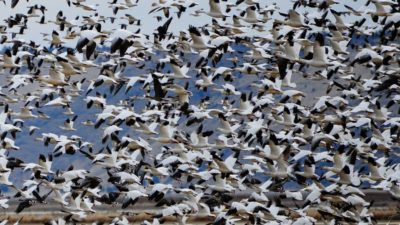
“In wild birds, however, some response was noticeable if anyone stopped to observe. Starlings seem to be masters of any situation they get into, but during the eclipse they became completely unraveled, perhaps showing their intelligence. At the approach of darkness these sociable birds gathered in the tops of the trees, squalling and fluttering about in complete disarray until the light returned to normal. Gulls pretty much under control usually, lifted off the grassy parks and golf courses as darkness approached in unorganized flight but soon were circling overhead probably on wind currents caused by the sudden cooling. They returned to the grounds soon after the turbulence settled. Most birds however, just flew into cover and remained quiet until it was over. “John Cowles, birding in the Rainier area reported that during the eclipse all was silent, even the dogs quieted down. Afterward he took a seven-block walk into town and all the way could hear the haunting calls of the Varied Thrush coming from every direction. He had heard a few thrushes in this area all winter but was amazed at the number that were calling that morning. Thinking that there may have been an influx he checked the area again for the next several mornings but heard only the four or five calls noted prior to that time. He reports that the eclipse had a profound effect on humans in the area but to follow it up with an outpouring of mournful Varied Thrush calls was eerie.”
Article courtesy of the Portland Audubon Society and Harry Nehls,
And remember to safely view the eclipse special solar viewing glasses are required. The Northwest Nature Shop has certified safe Solar Viewing glasses available for $1.95 a pair.
https://northwestnatureshop.com/product/safe-solar-eclipse-viewing-glasses/
Comments
No comment yet.